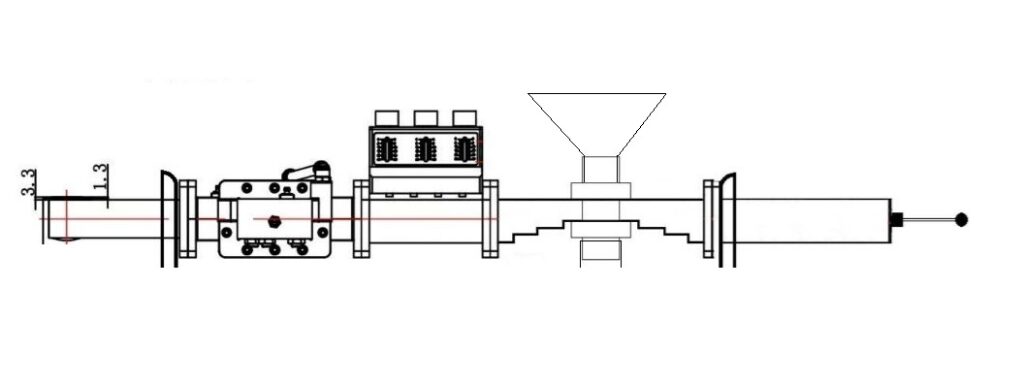
Industrial microwave waveguide components.
Waveguides play a crucial role in the microwave industry due to their ability to efficiently transmit microwave energy. Here are key reasons:
Advantages
1. Low Loss Transmission: Waveguides minimize signal attenuation, ensuring high-power transmission.
2. High Frequency Operation: Waveguides support high-frequency propagation (GHz range).
3. Directional Control: Waveguides confine and direct microwave energy.
4. Efficient Coupling: Waveguides optimize energy transfer between components.
5. Reduced Interference: Shielded waveguides minimize electromagnetic interference (EMI).
Benefits in Industrial Microwave Systems
1. Improved Efficiency: Waveguides optimize microwave energy utilization.
2. Increased Productivity: Efficient transmission enables faster processing.
3. Enhanced Safety: Waveguides contain microwave energy, reducing exposure risks.
4. Compact Design: Waveguides enable smaller system footprints.
5. Reliability: Waveguides reduce signal degradation.
The RhiMad waveguide launches and components are designed using the best materials to provide unrestrictive forward power. Please contact us if you have questions or wish to discuss your needs for one-off designs or specific dimensions.
All waveguide sections are fabricated to waveguide Type WR340. For prices, don’t hesitate to get in touch with us.
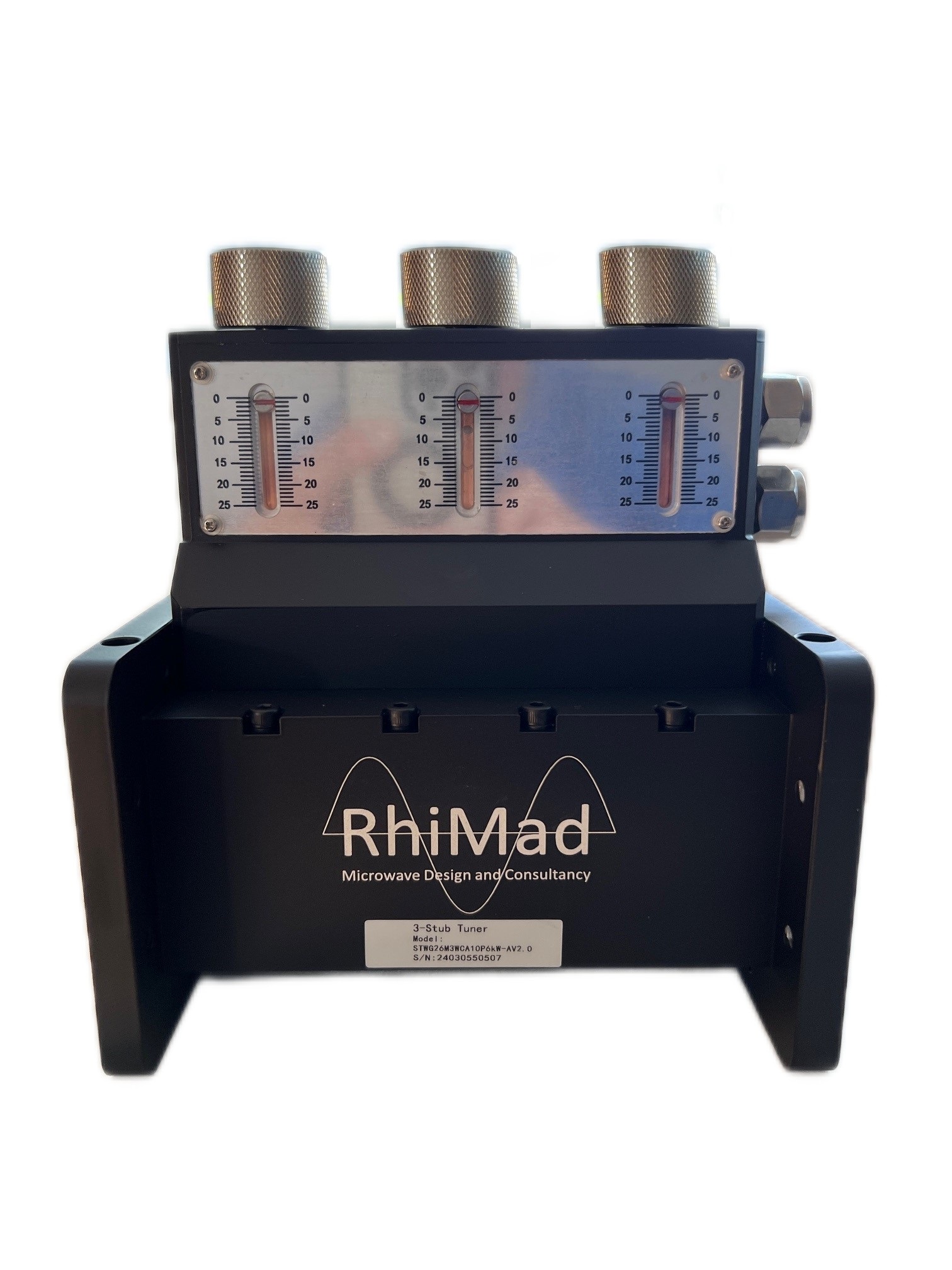
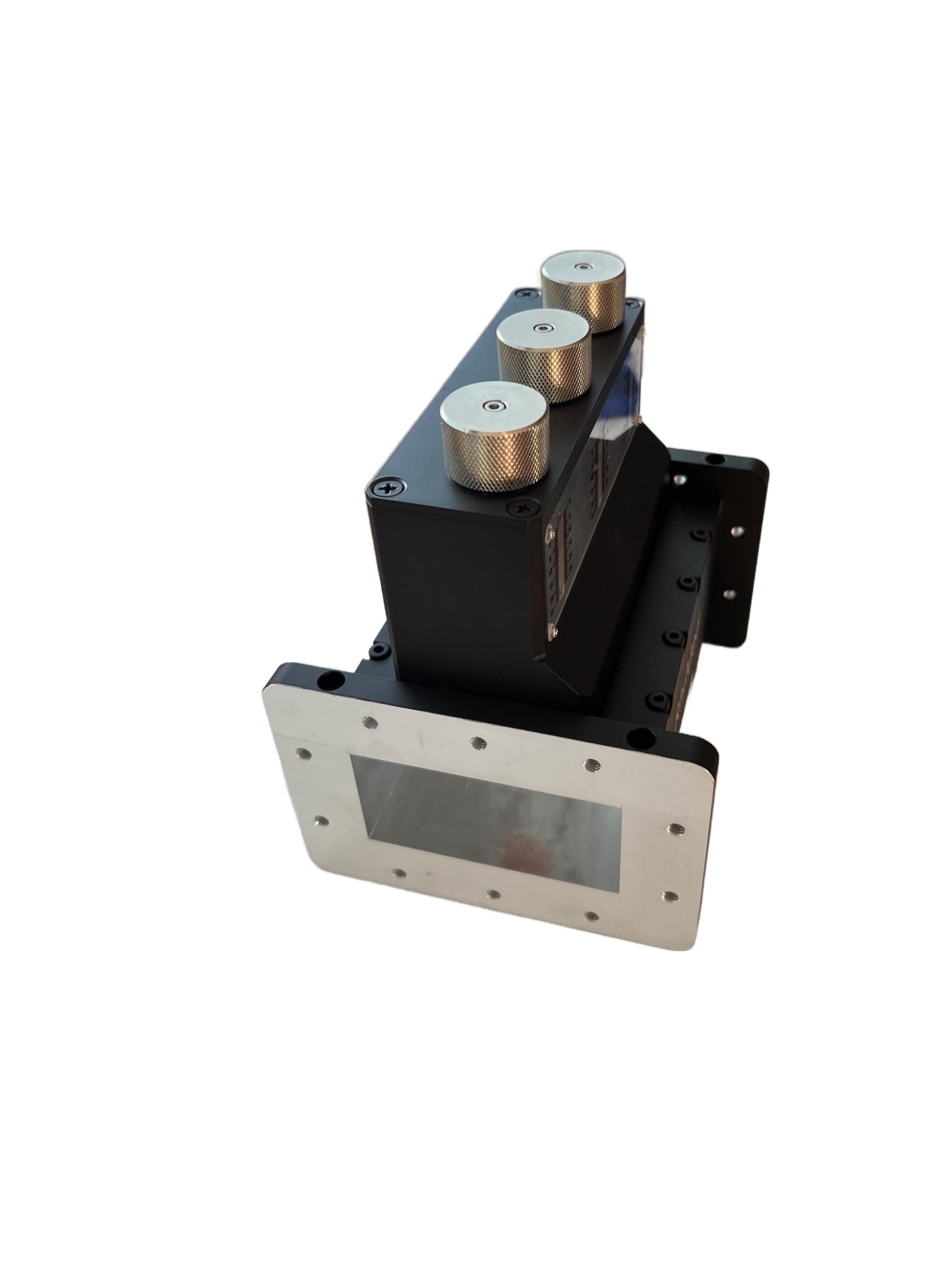
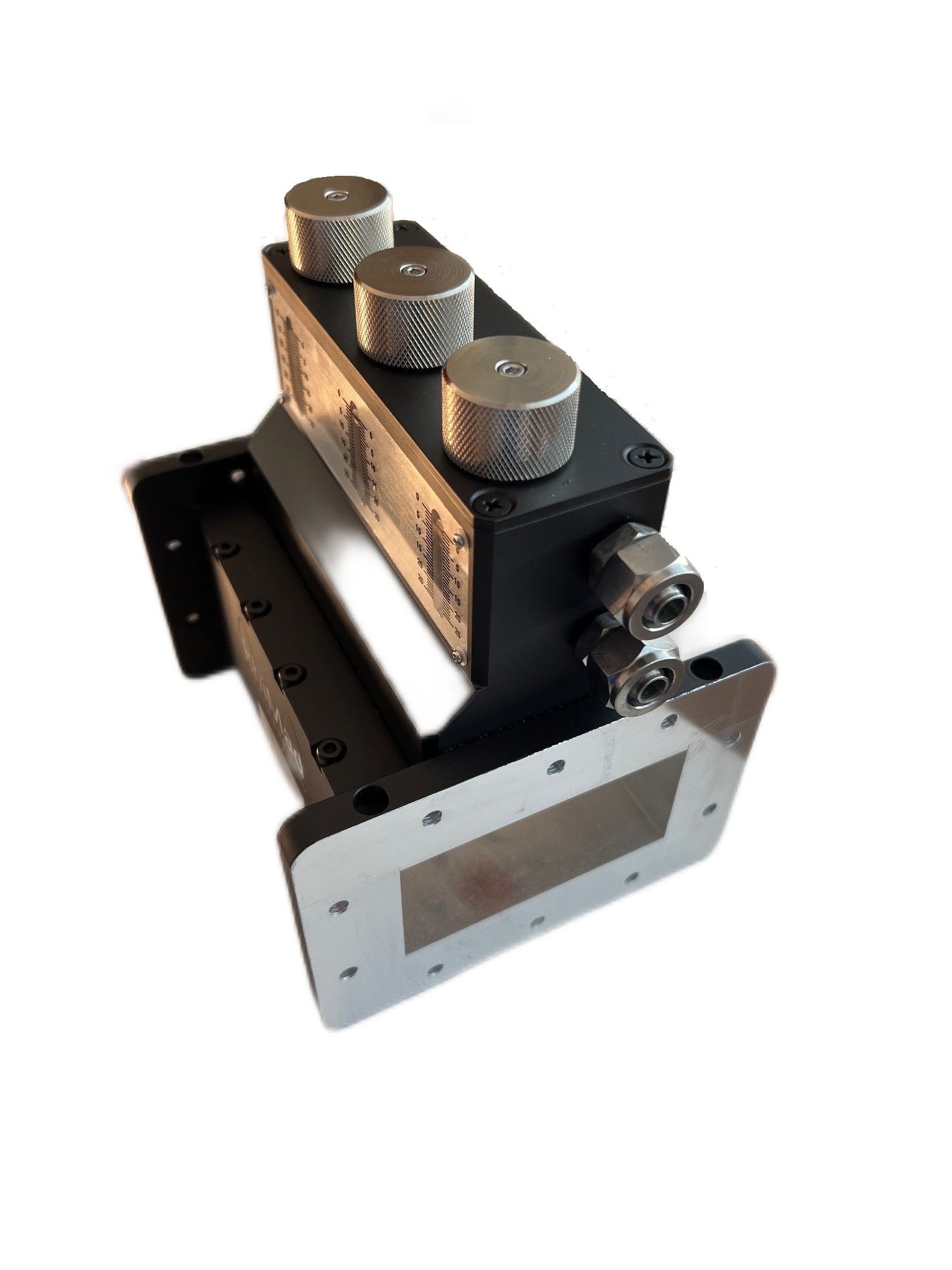
RHST3, 3 stub tuner
Description
The manually adjustable 3-stub waveguide tuner serves for manual impedance matching of WR340 wave- guide loads in the 2450 MHz ISM band. Conversely, when terminated in a matched load, the tuner can serve for realisation of reflection coefficients covering an extensive area.
A three-step waveguide tuner is a device used to match the impedance of a waveguide to a load or a source, minimizing reflections and maximizing power transfer. Here’s a breakdown of its components and operation:
1: Short-Circuit Plunger (SCP)
1. The SCP is a movable plunger that creates a short circuit in the waveguide.
2. It’s typically positioned at a specific distance from the load or source.
3. The SCP’s position determines the phase of the reflected wave.
2: E-Plane Tuning Screw (ETS)
1. The ETS is a screw that protrudes into the waveguide, typically in the E-plane (electric field plane).
2. Rotating the ETS changes the impedance of the waveguide, allowing for fine-tuning of the match.
3. The ETS affects the amplitude of the reflected wave.
3: H-Plane Tuning Screw (HTS)
1. The HTS is another screw that protrudes into the waveguide, typically in the H-plane (magnetic field plane).
2. Rotating the HTS further adjusts the impedance of the waveguide, allowing for precise matching.
3. The HTS affects the phase of the reflected wave.
Operation
1. The three-step waveguide tuner is inserted into the waveguide, typically between the source/load and the rest of the system.
2. The SCP is adjusted to create a short circuit at a specific distance from the load/source.
3. The ETS and HTS are then adjusted to fine-tune the impedance match, minimizing reflections and maximizing power transfer.
Benefits
1. Improved impedance matching
2. Reduced reflections and standing waves
3. Increased power transfer efficiency
4. Enhanced system stability and reliability.
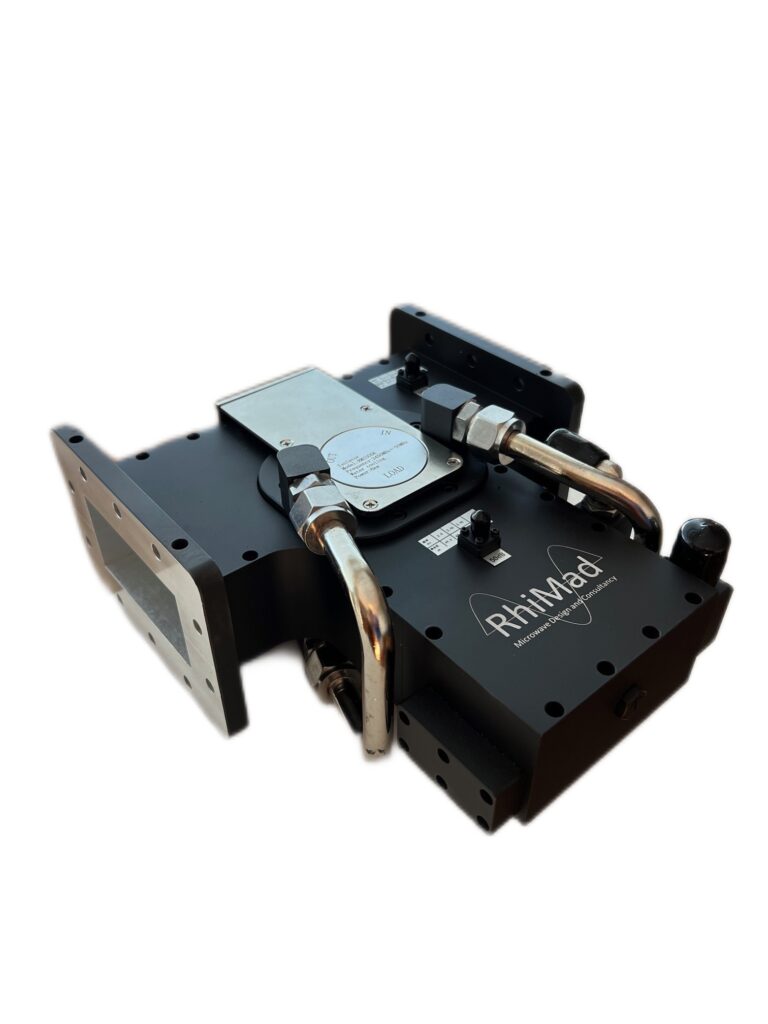
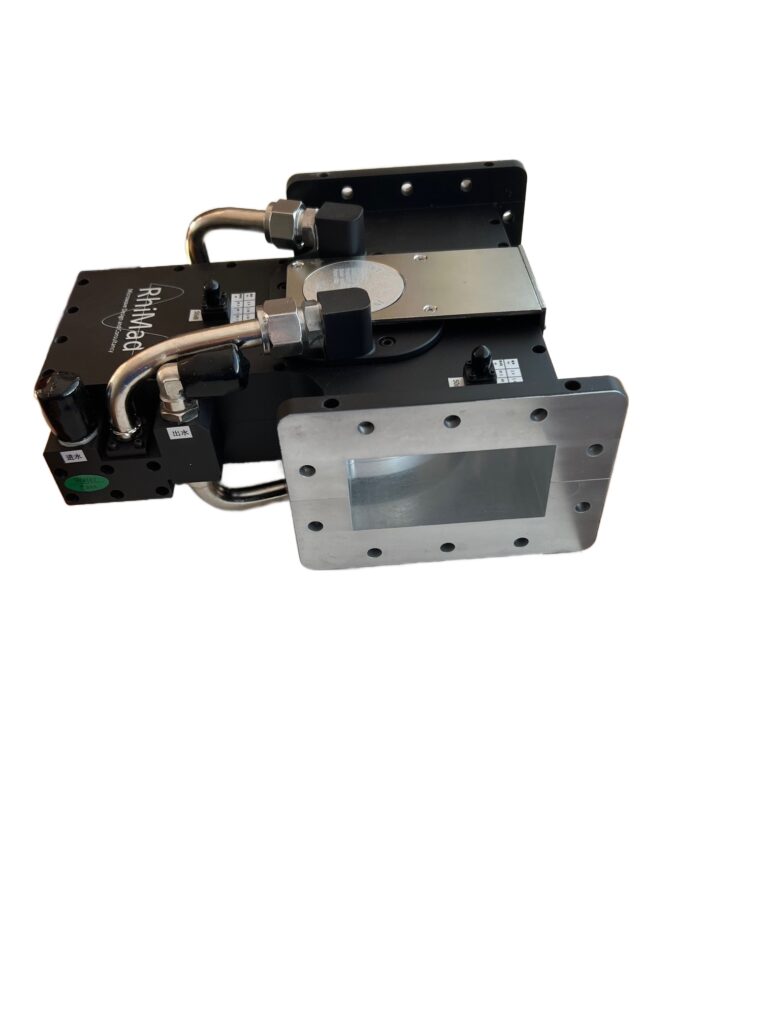
RHISO6, 6 Kilowatt Waveguide isolator.
Designed to allow forward microwave into the product but not to allow microwave to be reflected back to the magnetron.
High Power Waveguide Circulator/Isolator
High-power isolators and circulators offer high performance and wideband characteristics.
– High average power(6KW) capacity
– Water cooling type
– Robust design for challenging environments.
TECHNICAL DETAILS
– Frequency: 2.4~2.5GHz
– Insertion Loss:0.3dB
– Isolation: 20dB
– VSWR: 1.25:1
– Temperature: -30 ~ +95°C
– Waveguide Type: WR340
Description
A waveguide isolator is a passive microwave component that allows microwave energy to flow in one direction while preventing or significantly reducing energy flow in the opposite direction. Its primary function is:
1. Unidirectional Energy Flow: Enable microwave energy to flow from the source to the load while preventing reflections from the load from reaching the source.
2. Reduce Reflections: Minimize standing waves and reflections, ensuring maximum power transfer and system efficiency.
3. Protect Sources: Safeguard sensitive sources, such as amplifiers or generators, from damage caused by reflected energy.
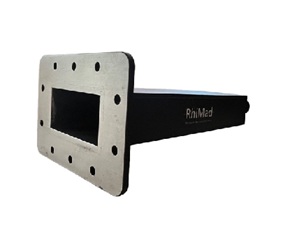
RHSC6 6 kilowatt WR9 Type waveguide short
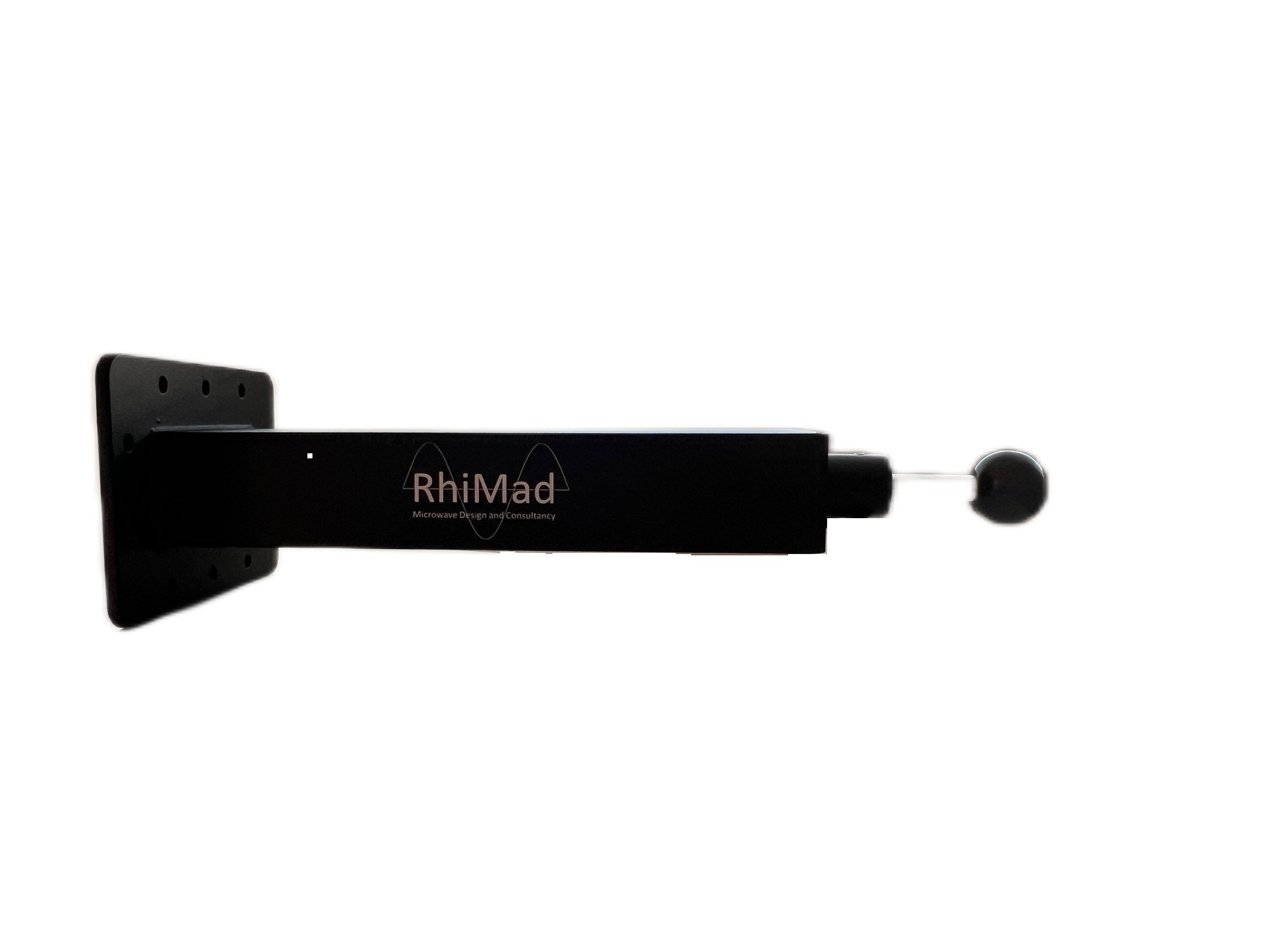
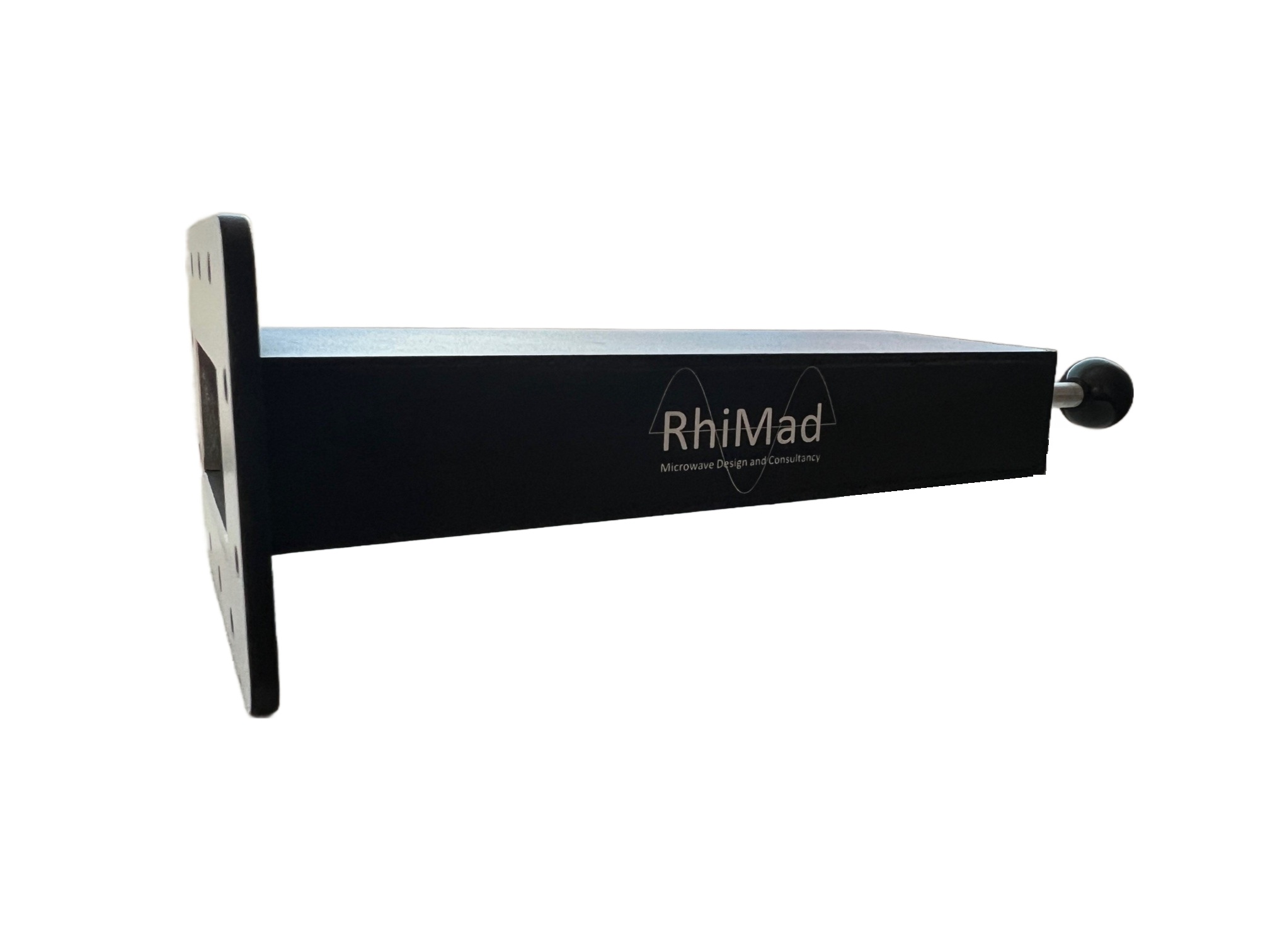
A waveguide short circuit, also known as a waveguide short or waveguide termination, is a device used to terminate a waveguide with a precise, controlled impedance.
Its primary function is:
1. Prevent Reflections: Absorb microwave energy, minimizing reflections and standing waves within the waveguide.
2. Match Impedance: Provide a precise impedance match, typically 50 ohms, to ensure maximum power transfer.
3. Terminate Waveguide: Safely terminate the waveguide, preventing microwave energy from escaping or radiating.
How it Works: A waveguide short circuit typically consists of:
1. Resistive Material: A specially designed, high-temperature-resistant material with a precise resistance value.
2. Waveguide Interface: A flange or connector that matches the waveguide’s dimensions and impedance.
3. Cooling System: Some waveguide shorts may incorporate cooling systems such as heat sinks or fans to manage temperature. When microwave energy reaches the waveguide short circuit.
1. Energy Absorption: The resistive material absorbs the microwave energy, converting it into heat.
2. Heat Dissipation: The heat is dissipated through the cooling system, if present, or through the waveguide short’s structure.
Benefits Using a waveguide short circuit provides:
1. Improved System Efficiency: Minimizes energy loss due to reflections.
2. Increased Safety: Prevents microwave energy from escaping, reducing radiation hazards.
3. Reduced Interference: Minimizes electromagnetic interference (EMI) and radio-frequency interference (RFI).
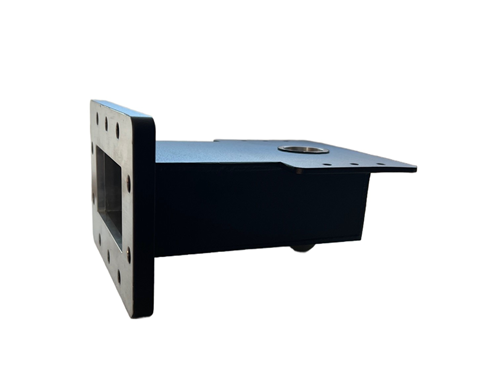
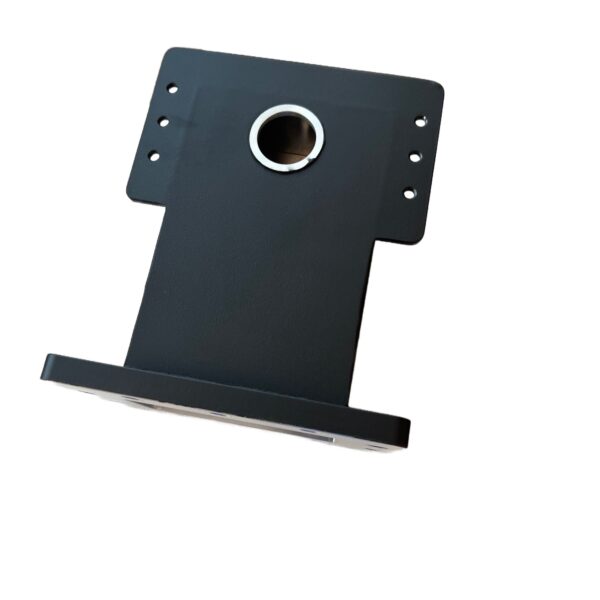
RHWGL340 Maximum 6 kilowatts waveguide launch.
A waveguide launch, is a component that a magnetron is fitted to that allows the microwave waveform to be efficiently transferred to the load..
Purpose
Impedance Matching: Match the impedance of the waveguide, ensuring maximum power transfer and minimizing reflections.
Advantages
1. Efficient Energy Transfer: Waveguide launches optimize microwave energy transfer from the magnetron to the waveguide, minimizing losses.
2. Improved Magnetron Performance: Proper impedance matching reduces magnetron stress, increasing lifespan and reliability.
3. Reduced Reflections: Waveguide launches minimize reflections, preventing standing waves and ensuring stable magnetron operation.
4. Increased Power Handling: Waveguide launches can handle high-power levels, making them suitable for industrial applications.
5. Compact Design: Waveguide launches enable compact system designs.
6. Impedance Matching: Waveguide launches match the magnetron’s impedance to the waveguide, ensuring optimal energy transfer.
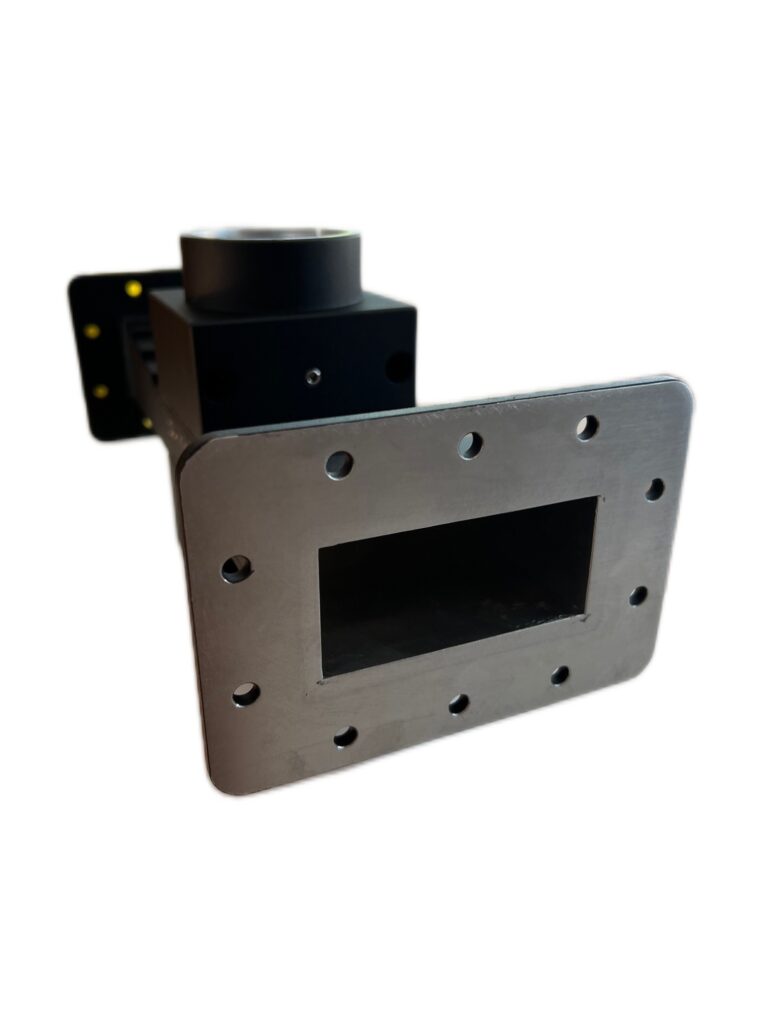
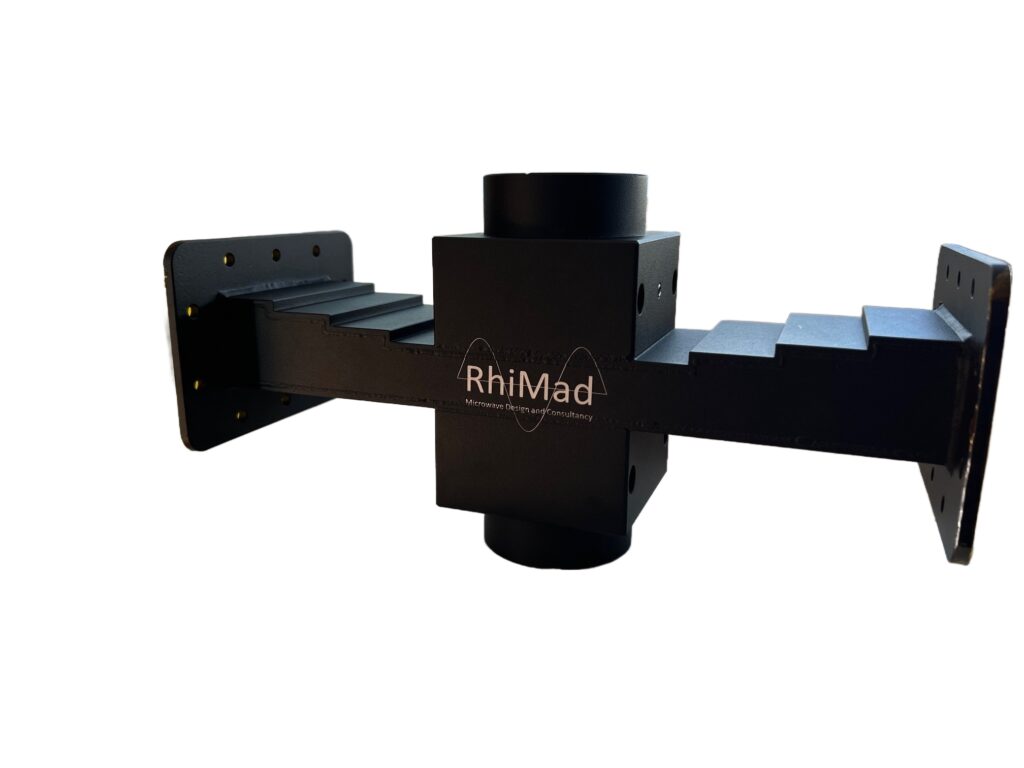
Waveguide cavity for continuous product heating.
RHFPWC6 Is a 6 kilowatt waveguide cavity designed to increase the efficiency of the waveform in a concentrated environment. These are typically used for plasma generating applications. However, it also be used for fluid heating and other similar application.
This can be use a water-cooled or air-cooled. Waveguide type Wr340 with a R26 Flange.
If you require any further information prices please contact us.