Welcome to RhiMad
The site for smart microwave solutions.
Your Partner for Smart Microwave Solutions
RhiMad Can supply quality components from Toshiba, Witol, Panasonic, and DPC and assist with fault-finding and problem-solving. If you have an idea of using microwaves to help develop a new ground-breaking process, it is always inspirational. However, building a microwave machine is not just a case of bolting a magnetron to a box and expecting it to work, as many engineers have found out at their expense. We are happy to sign NDAs to keep your ideas safe.
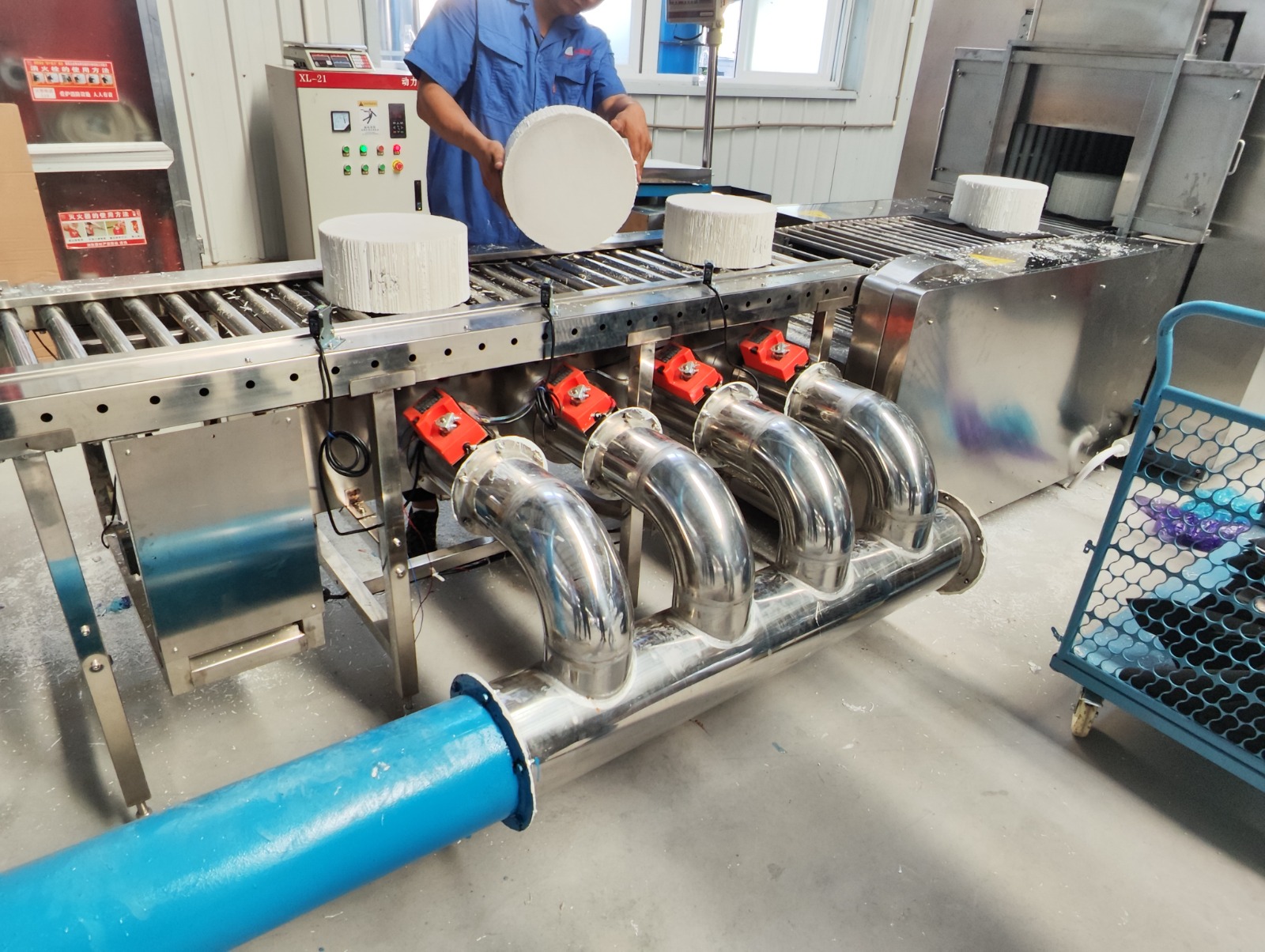
Microwaves can be the answer for many applications, from drying and sterilisation to cleaning and heating. However, prototype machines must be tested, scaled up, and designed to work in specific environments.
Let’s start with some disadvantages of building an industrial microwave include:
Non-uniform energy distribution: Microwaves can cause hot and cold spots, leading to burnt material or fire. This is due to the poorly chosen frequency and the design of the machine or application.
Depth of penetration: The depth of penetration is limited by the microwave’s frequency, the material’s temperature, and the material’s dielectric properties. This is due to not enough tests of the material.
Installation costs: Industrial microwaves can be expensive to install. Yes, microwave equipment can be costly, but the savings can recoup the cost in a relatively short period of time, with an increase in efficiency and production.
Explanation
Poorly built and designed machines can produce Non-uniform energy distribution when some parts of a material are overexposed to microwaves while others are underexposed. This can also happen in home microwave ovens when heating or defrosting food. Industrial microwave system should be designed to overcome these issues with features like rotating antennas, Mode stirrers, conveyor belts, and variable frequencies.
Microwaves offer numerous advantages in industrial applications:
Material Processing.
1. Uniform heating: Microwaves penetrate materials evenly, reducing thermal gradients.
2. Rapid heating: Faster processing times, increasing productivity.
3. Energy efficiency: Reduced energy consumption compared to conventional methods.
4. Selective heating: Microwaves target specific materials or moisture.
Drying and Curing
1. Faster drying: Microwaves accelerate moisture removal.
2. Improved product quality: Reduced shrinkage, cracking, and discolouration.
3. Increased throughput: Enhanced production capacity.
Chemical Synthesis and Reactions
1. Enhanced reaction rates: Microwaves accelerate chemical reactions.
2. Improved yield: Increased product purity.
3. Reduced reaction time: Faster synthesis.
Other Industrial Applications
1. Food processing: Pasteurisation, sterilisation, and thawing.
2. Textile treatment: Dyeing, finishing, and drying.
3. Ceramic processing: Firing, sintering, and glazing.
4. Waste treatment: Disinfection, sterilisation, and decomposition.
5. Medical applications: Sterilisation, wound treatment.
Economic and Environmental Benefits
1. Reduced energy costs: Lower operational expenses.
2. Increased productivity: Higher output.
3. Minimised waste: Reduced material losses.
4. Environmental sustainability: Lower greenhouse gas emissions.
Additional Advantages
1. Compact equipment: Space-saving designs.
2. Easy maintenance: Simplified cleaning.
3. Precise control: Adjustable power levels.
4. Scalability: Suitable for various production scales.
Some notable industries utilising microwave technology include:
1. Chemical processing
2. Pharmaceutical manufacturing
3. Food processing
4. Textile production
5. Ceramic manufacturing 6. Waste management
7. Medical device manufacturing
Here are some specific industrial applications of microwave technology:
Chemical Processing
1. Catalytic reactions: Microwave-assisted catalysis enhances reaction rates and selectivity.
2. Polymerisation: Microwave-initiated polymerisation improves reaction efficiency.
3. Solvent-free synthesis: Microwaves enable environmentally friendly synthesis.
Pharmaceutical Manufacturing
1. API synthesis: Microwave-assisted synthesis improves yield and purity.
2. Drying: Microwave drying reduces processing time and preserves active ingredients.
3. Sterilisation: Microwave sterilisation ensures contamination-free products.
Food Processing
1. Pasteurisation: Microwave pasteurisation preserves nutrients and flavour.
2. Thawing: Microwave thawing reduces processing time.
3. Drying: Microwave drying preserves food texture and nutritional value.
Textile Production
1. Dyeing: Microwave-assisted dyeing reduces processing time and improves colour uniformity.
2. Finishing: Microwave treatment enhances fabric softness and wrinkle resistance.
3. Drying: Microwave drying reduces energy consumption.
Ceramic Manufacturing
1. Firing: Microwave firing reduces processing time and energy consumption.
2. Sintering: Microwave sintering enhances ceramic density and strength.
3. Glazing: Microwave glazing improves uniformity and adhesion.
Waste Management
1. Waste disinfection: Microwave treatment eliminates pathogens.
2. Sludge drying: Microwave drying reduces waste volume.
3. Recycling: Microwave-assisted recycling breaks down plastics.
Medical Device Manufacturing
1. Sterilisation: Microwave sterilisation ensures contamination-free devices.
2. Curing: Microwave curing enhances adhesive strength.
3. Polymer processing: Microwave-assisted processing improves device quality.
Other Applications
1. Oil extraction: Microwave-assisted oil extraction enhances efficiency.
2. Biofuel production: Microwave-assisted biofuel production reduces processing time.
3. 3D printing: Microwave-assisted curing enhances print quality.